NS Mainframe: A Complete Guide to Features, Login and Applications
Introduction
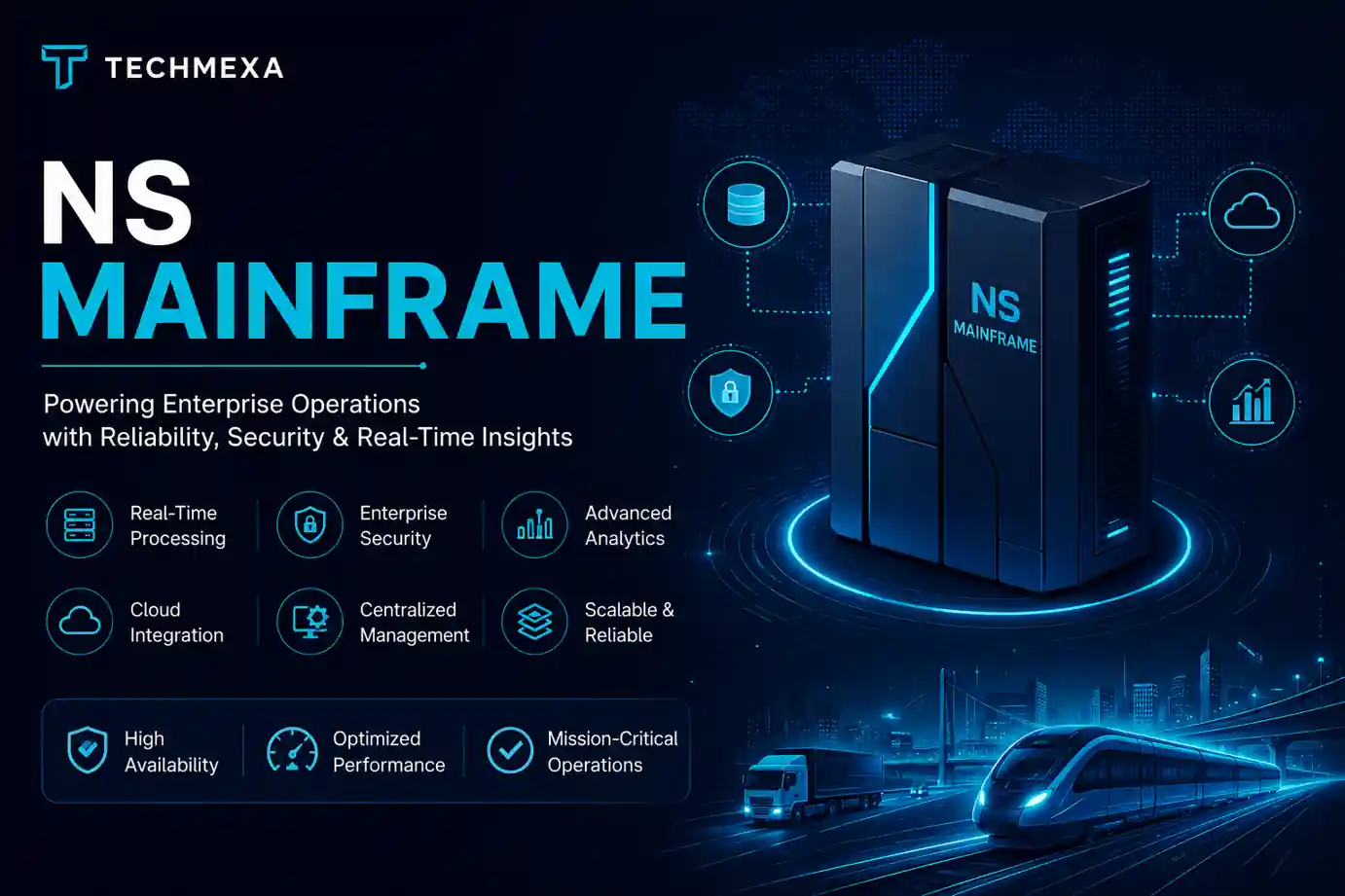
NS Mainframe is a term commonly associated with enterprise computing, centralized operations management, and large-scale data processing. It is designed to handle complex workloads, support real-time decision-making, and maintain reliable system performance.
Many users search for the term to understand its features, login process, technology, and role in modern transportation and business operations. Others want to learn about the NS Horse Screen, security capabilities, and integration with existing enterprise systems.
This guide explains how it works, its core components, key technologies, and business advantages. You will also discover its role in transportation networks, cloud-connected environments, enterprise security, and the future of mainframe computing.
What is NS Mainframe?
NS Mainframe is an enterprise computing platform designed for centralized operations and large-scale data management. It helps organizations process, store, and analyze information from a single environment.
The platform supports real-time processing and high-volume transactions. This makes it suitable for transportation networks, logistics systems, and enterprise operations.
It combines data storage, analytics, communication tools, and operational monitoring. These capabilities help organizations improve efficiency and system visibility.
Unlike conventional server environments, it is built for reliability and scalability. It can manage growing workloads while maintaining consistent performance.
Many enterprises use NS Mainframe to support mission-critical applications. Its ability to handle complex operations makes it an important part of modern enterprise infrastructure.
Historical Evolution of Mainframe Systems
Mainframe systems first appeared in the 1950s. Large organizations used them to process records, transactions, and business data.
During the following decades, mainframes became essential in banking, government, healthcare, and transportation. Their reliability made them ideal for critical operations.
As technology evolved, mainframes gained virtualization, automation, and advanced storage capabilities. They also became more efficient and scalable.
The rise of cloud computing changed enterprise IT. However, mainframes continued to support high-volume transactions and mission-critical workloads.
Modern platforms such as NS Mainframe combine traditional mainframe strengths with real-time analytics, centralized management, and cloud integration. This evolution keeps mainframe technology relevant today.
Core Components of NS Mainframe
NS Mainframe relies on several core components to deliver performance, reliability, and operational efficiency. Each component plays a specific role in managing enterprise workloads.
Together, these components support real-time processing, data management, analytics, and communication across the organization.
Processing Units
Processing units handle calculations, transactions, and system workloads. They form the core computing power of NS Mainframe.
These units process large data volumes quickly. This helps maintain fast and reliable operations.
Data Storage
Data storage systems keep information secure and organized. They allow fast access to operational and transactional data.
NS Mainframe can store large datasets efficiently. This supports continuous business operations.
Analytics Engine
The analytics engine examines operational data and system activity. It helps identify trends, patterns, and performance issues.
These insights support faster decisions and improved efficiency.
Communication Modules
Communication modules connect systems, applications, and users. They enable secure and efficient data exchange.
This connectivity improves coordination and supports real-time operations.
Technology Behind NS Mainframe
NS Mainframe uses a centralized architecture to manage enterprise operations. It combines computing resources, data management tools, and communication systems in one environment.
The platform supports automation, analytics, and real-time monitoring. These technologies help organizations improve efficiency and maintain operational control.
Its architecture is designed for scalability and reliability. This allows businesses to manage growing workloads without sacrificing performance.
Centralized Operations Management
Centralized management allows organizations to control operations from a single platform. This improves visibility across departments and systems.
It also simplifies administration and supports faster decision-making.
Communication and Coordination Tools
NS Mainframe includes tools that improve communication between systems and teams. These tools support seamless information sharing.
Better coordination helps reduce delays and improve operational efficiency.
Data Analytics and Performance Monitoring
NS Mainframe analyzes operational data in real time. This helps organizations track system performance and detect issues early.
Continuous monitoring improves efficiency and supports informed decision-making.
Data Management and Real-Time Processing
Data is at the core of every enterprise system. NS Mainframe manages large volumes of information across connected applications and networks.
The platform processes data in real time. This allows organizations to react quickly to operational changes and business demands.
Accurate data management also improves reporting, analytics, and system performance. As a result, businesses can make faster and more informed decisions.
Collecting Real-Time Data
NS Mainframe gathers data from multiple sources. These sources can include applications, devices, and operational systems.
Real-time collection improves visibility and supports faster decision-making.
Processing at Scale
NS Mainframe can handle large workloads at the same time. It maintains performance even during periods of high demand.
This scalability supports enterprise growth and operational continuity.
Actionable Insights
NS Mainframe transforms raw data into meaningful insights. These insights help organizations improve planning and operational performance.
Decision-makers can identify opportunities and respond to issues more quickly.
Importance of NS Mainframe in Enterprise Computing
NS Mainframe plays a vital role in modern enterprise computing. It supports critical applications that require speed, stability, and reliability.
Many organizations use it to process transactions, manage data, and monitor operations in real time. These capabilities help reduce downtime and improve productivity.
The platform also supports scalability and long-term growth. This makes it a valuable technology for large enterprises and transportation networks.
You May Also Read It : Software Keepho5ll
Exploring the NS Horse Screen Feature
The NS Horse Screen is a commonly referenced feature within the NS Mainframe environment. It serves as a central interface for accessing system functions and operational information.
Users can navigate tasks, review data, and monitor activities from a single screen. This improves usability and workflow efficiency.
The feature helps streamline daily operations by providing quick access to important system resources.
How to Access the NS Mainframe Login
Users can access NS Mainframe through the official login portal. A valid username and password are required for authentication.
After signing in, users can access authorized applications, data, and system tools. Access levels depend on assigned permissions and security policies.
For security reasons, organizations often use additional authentication measures. These may include role-based access controls and identity verification.
Troubleshooting Common NS Mainframe Login Issues
Login problems can occur for several reasons. Common causes include incorrect credentials, expired passwords, or network connectivity issues.
Users should verify their username and password first. Resetting credentials may resolve access problems.
If the issue continues, check system availability and browser settings. Contacting technical support may be necessary for account-related issues.
Regular password updates and secure login practices can help prevent future access problems.
NS Mainframe’s Role in Modern Transportation
NS Mainframe supports transportation networks that depend on real-time data and continuous operations. It helps manage schedules, operational workflows, and system performance.
The platform enables faster communication between connected systems. This improves coordination across transportation services.
Real-time monitoring also helps organizations respond quickly to disruptions. As a result, service reliability and operational efficiency improve.
Many transportation environments use mainframe technology to handle large data volumes and support critical infrastructure.
Enterprise Mainframe Systems Market Evolution
The enterprise mainframe market has changed significantly over the years. Modern systems now support automation, analytics, and cloud connectivity.
Organizations continue to invest in mainframe technology for mission-critical workloads. Reliability and security remain key reasons for adoption.
Many enterprises now use hybrid environments that combine cloud services with mainframe infrastructure. This approach offers both flexibility and stability.
As digital transformation continues, mainframe systems are evolving to support new business and technology requirements.
NS Mainframe Security and Reliability Features
Security and reliability are key strengths of NS Mainframe. The platform is designed to protect sensitive data and maintain continuous operations.
It includes access controls, authentication mechanisms, and system monitoring tools. These features help reduce security risks and unauthorized access.
NS Mainframe also supports high availability and fault tolerance. This helps minimize downtime and maintain stable performance.
Its reliability makes it suitable for mission-critical environments where system interruptions are not acceptable.
Enterprise Security Distribution
NS Mainframe applies security policies across users, applications, and connected systems. This creates a consistent security framework throughout the organization.
A distributed security approach helps protect data and reduce operational risks.
Accessibility of NS Mainframe Across Devices and Platforms
NS Mainframe is accessible across multiple devices and operating systems. Users can securely connect from approved platforms and locations.
This flexibility helps teams stay productive while maintaining access to important business resources.
Cross-platform accessibility also supports remote work and modern enterprise operations.
PCs and Laptops
PCs and laptops provide full access to NS Mainframe features. Users can manage operations, monitor performance, and access enterprise applications.
These devices are commonly used for day-to-day administrative and operational tasks.
Mobile Devices (iOS & Android)
NS Mainframe can be accessed on compatible mobile devices. This allows users to stay connected while away from their primary workstations.
Mobile access supports monitoring, reporting, and quick operational updates.
The Advantages of NS Mainframe to Businesses
NS Mainframe offers high performance, reliability, and scalability. These features help businesses manage complex operations more effectively.
The platform supports real-time processing and centralized management. This improves operational visibility and decision-making.
Strong security controls help protect business data and critical applications. At the same time, high availability reduces downtime and service disruptions.
These advantages make NS Mainframe a valuable solution for large enterprises and transportation organizations.
Enterprise Computing Cost Optimization
NS Mainframe helps organizations optimize technology costs through centralized infrastructure. A single platform can support multiple workloads and applications.
This reduces hardware requirements and simplifies system management. Fewer resources often lead to lower operational expenses.
The platform also improves efficiency through automation and resource utilization. These benefits contribute to long-term cost savings.
Mainframe Cost Savings Analysis
Mainframes can reduce infrastructure and maintenance costs. They consolidate workloads that might otherwise require multiple systems.
Lower downtime and improved efficiency can also increase overall return on investment.
Mainframe Integration and Management
NS Mainframe integrates with both legacy and modern enterprise systems. This allows organizations to manage diverse technologies from a unified environment.
The platform supports automation, monitoring, and centralized administration. These capabilities simplify system management and improve operational efficiency.
Effective integration also helps businesses modernize without replacing existing infrastructure. This reduces disruption and supports long-term technology strategies.
Legacy System Compatibility
NS Mainframe works with many legacy applications and platforms. This helps organizations preserve existing technology investments.
Businesses can modernize operations without fully replacing older systems.
Cloud Integration Capabilities
NS Mainframe supports integration with cloud services and hybrid environments. This allows data and applications to move between platforms more efficiently.
Cloud connectivity improves flexibility, scalability, and resource management.
Real-time Monitoring
NS Mainframe continuously tracks system activity and performance. This helps organizations identify issues before they affect operations.
Real-time visibility supports faster troubleshooting and better system control.
Automated Management
NS Mainframe automates routine tasks such as monitoring, reporting, and resource allocation. This reduces manual work and improves efficiency.
Automation also helps maintain consistent system performance and reliability.
Case Studies: NS Mainframe in Action
NS Mainframe concepts can be applied across transportation, logistics, and enterprise environments. These examples show how centralized computing and real-time processing support large-scale operations.
Organizations use similar technologies to improve efficiency, coordination, and service reliability.
Netherlands Railway Network
The Netherlands railway network depends on accurate scheduling and real-time coordination. Mainframe technology helps manage large volumes of operational data.
This improves service reliability, passenger information systems, and network efficiency.
Singapore Smart Transport
Singapore uses advanced technologies to manage public transportation and traffic systems. Mainframe-based processing helps analyze large data streams in real time.
This supports efficient traffic management and improved transportation services.
Amazon Logistics (Beta NS Deployment)
In a large logistics environment, NS Mainframe could support shipment tracking, route coordination, and operational monitoring. Its real-time processing capabilities help manage complex workflows.
This approach can improve visibility, efficiency, and delivery performance across logistics networks.
NS Mainframe vs Other Transport Technologies
Transportation systems use different technologies for data processing, monitoring, and operational management. NS Mainframe stands out through its reliability, scalability, and centralized control.
| Feature | NS Mainframe | Traditional Transport Software | Cloud-Based Transport Platforms |
|---|---|---|---|
| Real-Time Processing | Excellent | Moderate | Excellent |
| Scalability | High | Moderate | High |
| Centralized Management | Yes | Limited | Yes |
| Legacy System Support | Strong | Moderate | Limited |
| Security | High | Moderate | High |
| Reliability | Very High | Moderate | High |
| Analytics | Advanced | Basic | Advanced |
| Operational Monitoring | Continuous | Limited | Continuous |
| Downtime Risk | Low | Moderate | Low |
| Enterprise Integration | Strong | Moderate | High |
NS Mainframe is well suited for large transportation and enterprise environments. Its ability to manage complex operations gives it a significant advantage.
Mainframe Scalability for Growing Enterprises
Business growth often increases the demand for computing resources. NS Mainframe is designed to scale without major disruptions.
The platform can support more users, applications, and transactions as operational needs expand. This helps organizations maintain performance during growth.
Scalability also reduces the need for frequent infrastructure changes. As a result, businesses can expand more efficiently and cost-effectively.
Why the NS Mainframe is Still Relevant in an Age of the Cloud?
Cloud computing offers flexibility, but many organizations still rely on mainframe technology. Critical workloads often require the reliability and stability that mainframes provide.
NS Mainframe supports high-volume transactions and real-time processing. These capabilities remain essential for transportation systems and large enterprises.
The platform also integrates with cloud services. This allows organizations to benefit from both cloud innovation and mainframe reliability.
As a result, NS Mainframe continues to play an important role in modern IT environments.
Challenges and Future Developments in NS Mainframe
NS Mainframe offers many benefits, but organizations may face challenges during modernization and integration. Legacy environments can sometimes require specialized expertise and resources.
Businesses must also adapt to changing technology demands. This includes cloud adoption, automation, and advanced analytics.
Future developments are expected to focus on artificial intelligence, automation, and deeper cloud integration. These innovations can improve efficiency, scalability, and operational performance.
As technology evolves, NS Mainframe is likely to remain an important part of enterprise computing strategies.
Mainframe Systems Competitive Advantage
Mainframe systems deliver exceptional reliability and consistent performance. They can process large transaction volumes with minimal downtime.
Their centralized architecture simplifies management and improves operational control. This helps organizations run critical workloads more efficiently.
Strong security, scalability, and long-term stability also provide a competitive edge. These advantages make mainframes valuable for enterprise and transportation environments.
Expert Insights and Industry Opinions
Industry experts continue to view mainframes as a critical part of enterprise IT. Many organizations depend on them for reliability, security, and high-performance computing.
Experts also highlight the growing role of hybrid environments. Modern mainframes now work alongside cloud platforms and advanced analytics tools.
Their ability to support mission-critical operations keeps them relevant in today’s digital landscape.
Conclusion
NS Mainframe remains a powerful platform for enterprise computing, transportation management, and real-time data processing. Its combination of reliability, scalability, and security makes it suitable for critical operations.
The platform supports centralized management, analytics, automation, and cloud integration. These capabilities help organizations improve efficiency and maintain operational control.
As technology continues to evolve, NS Mainframe remains an important solution for businesses that require stable and high-performance computing environments.
Frequently Asked Questions
1. What is NS Mainframe?
NS Mainframe is an enterprise platform for data processing, system management, and real-time operations.
2. What is the NS Horse Screen?
It is a feature that provides access to system functions and operational data.
3. How can I access the NS Mainframe login?
Use the official login portal with valid credentials.
4. Is NS Mainframe used only in transportation?
No. It is also used in logistics and enterprise environments.
5. Can NS Mainframe integrate with cloud platforms?
Yes. It supports cloud and hybrid environments.
6. Can NS Mainframe support enterprise growth?
Yes. It can scale to handle larger workloads and more users.